This blog post contains Amazon affiliate links.
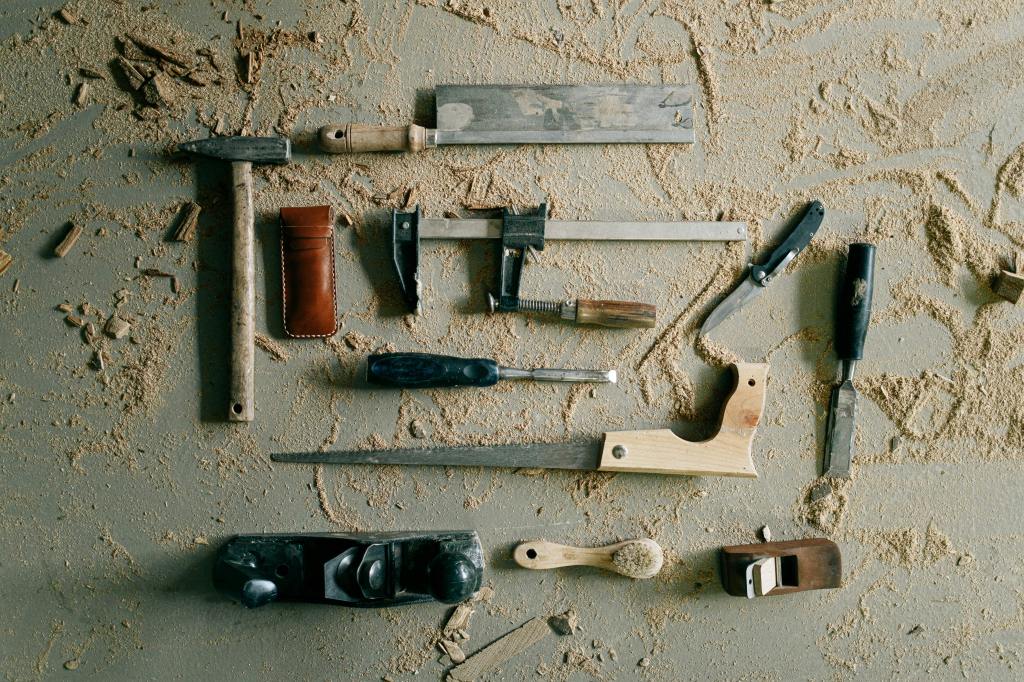
DIY saw a major boom during the 2020 pandemic—when many of us found ourselves stuck at home learning new instruments, baking sourdough bread, and yes, tackling home improvement projects. Years later, the trend hasn’t faded. DIY is here to stay. If you’re just getting started with woodworking, I’ve put together a list of essential tools every beginner should have to confidently begin their first projects.
Cordless Drill
A cordless drill is a must-have for assembling furniture, building frames, and general around-the-house repairs. Look for one with variable speeds and a lithium-ion battery for longer use between charges. I started with a Milwaukee 2801 18-Volt Lithium-Ion Compact Drill/Driver Kit and still use it today.

Circular Saw
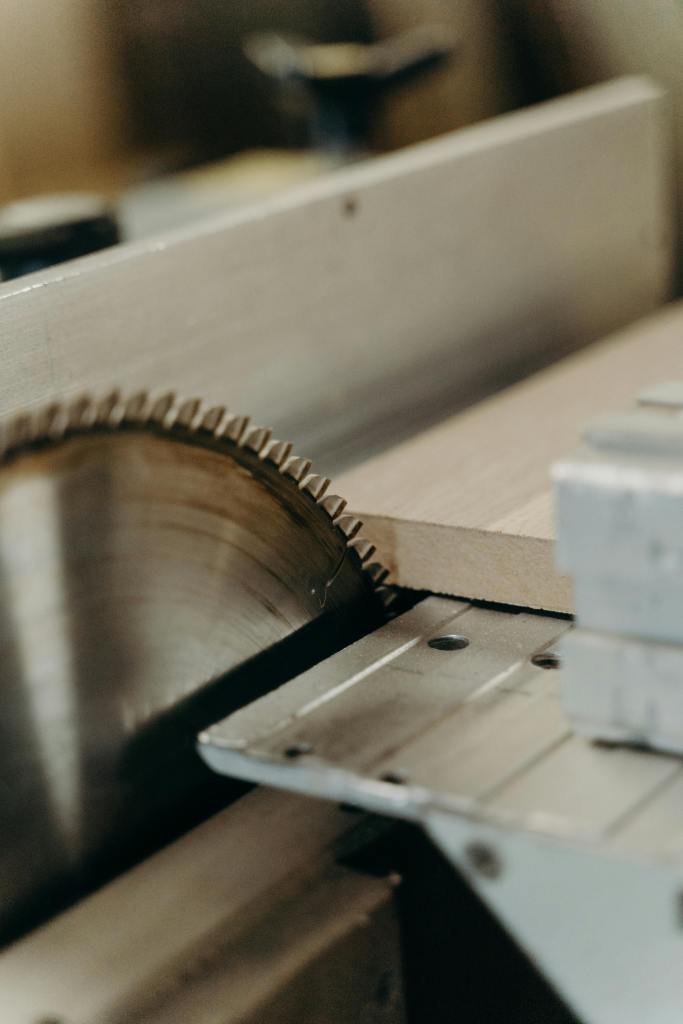
This Milwaukee 18V Circular Saw is great for straight cuts in plywood, boards, and sheet goods. It’s more compact and beginner-friendly than a table saw, but powerful enough to handle most cutting tasks. Pair it with a cutting guide or straightedge for cleaner results.
Orbital Sander
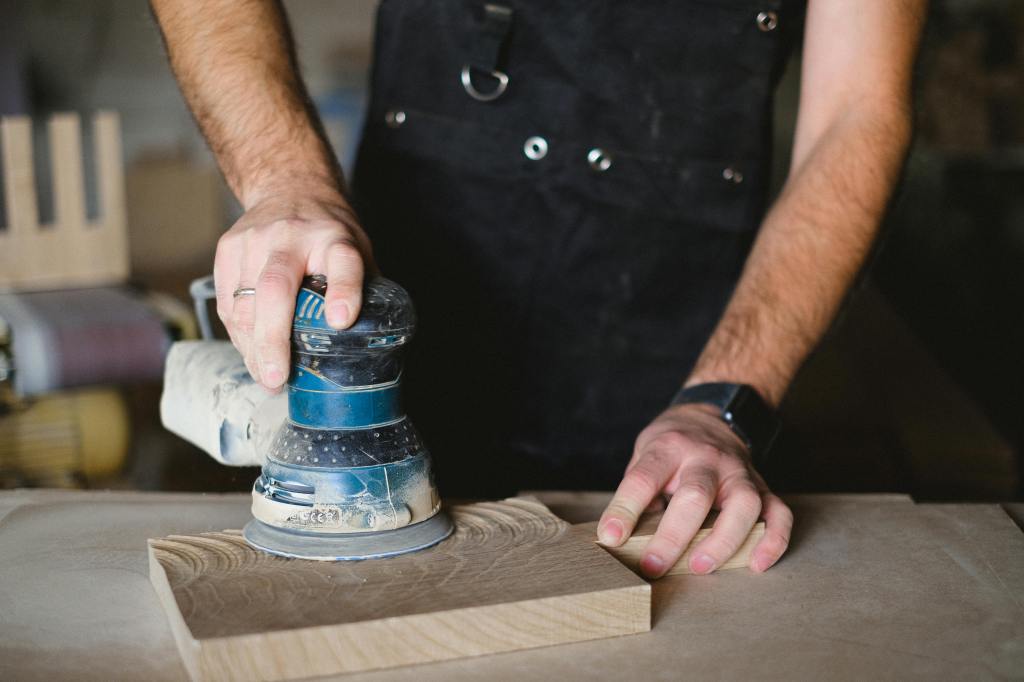
Milwaukee’s Random Orbital Sander smooths wood quickly and evenly, helping you prep surfaces for stain, paint, or finish. It saves you hours compared to sanding by hand, and it’s easy to control—even for beginners. Start with 80-, 120-, and 220-grit sandpaper for the full range of sanding needs.
Clamps (lots of them)
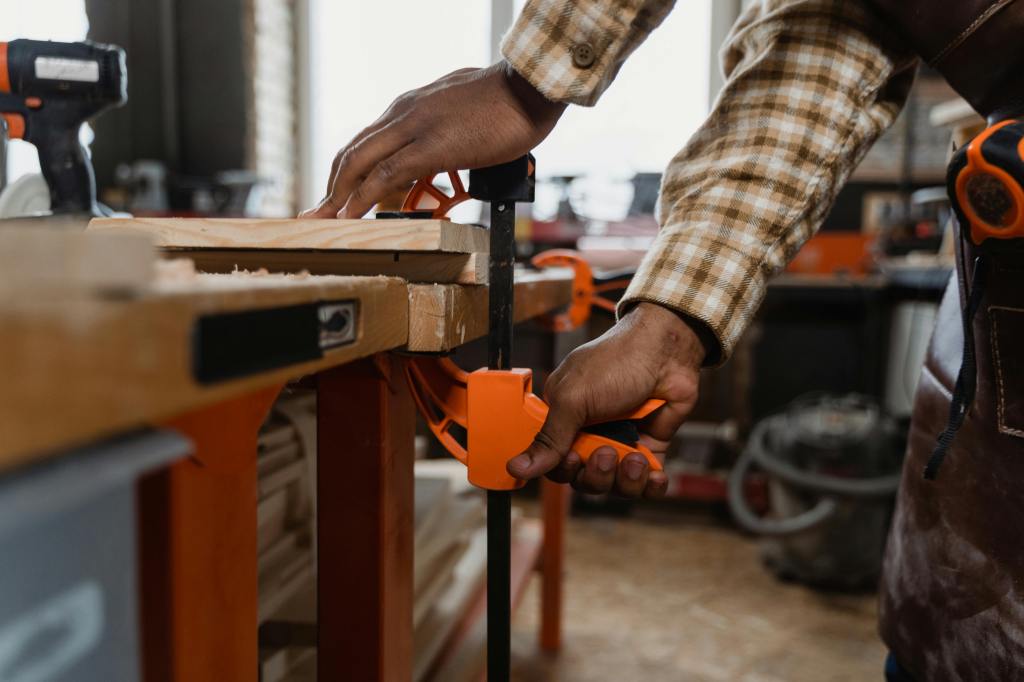
Clamps act like extra hands while your glue dries or while you’re positioning boards. Bar clamps, pipe clamps, and quick-release clamps are all useful in different scenarios. Start with at least 4–6 medium-sized clamps—you’ll always wish you had more. These Irwin Quick-Grip Mini Bar Clamps are ones I use regularly for all of my projects, and they work great.
Carpenter’s Square (or Speed Square)
This tool ensures your cuts and joints are square (90 degrees), which is key for strong and attractive builds. A speed square also doubles as a straightedge, saw guide, and angle finder—making it super versatile.
Wood Glue
Wood glue is essential for creating strong joints—often stronger than screws or nails alone. Look for Titebond II or III for indoor and outdoor use. Apply with a brush or roller for even coverage and use clamps to keep pressure while it cures. I prefer Titebond III Ultimate Wood Glue because it is easy to sand and has a 30-minute clamp time.
Hand Saw
For small cuts or touch-ups where power tools aren’t practical, a hand saw is still a valuable tool. A basic crosscut saw or pull saw is easy to use and perfect for trimming small pieces or cutting dowels and moldings. This Milwaukee Hand Saw is the perfect cordless option and cuts clean and quickly every time.
Starting your woodworking journey doesn’t require a massive workshop or an advanced tool collection—just a few reliable essentials and the motivation to create. With the right tools in hand, you’ll gain the confidence to tackle projects that once felt out of reach. Whether you’re building shelves, crafting furniture, or simply learning how to make clean, accurate cuts, these beginner tools will set you up for success. Have a favorite tool or a tip for other beginners? Share it in the comments—I’d love to hear what’s in your toolkit!





 Begat.
Leave a comment