
This blog post contains Amazon affiliate links.
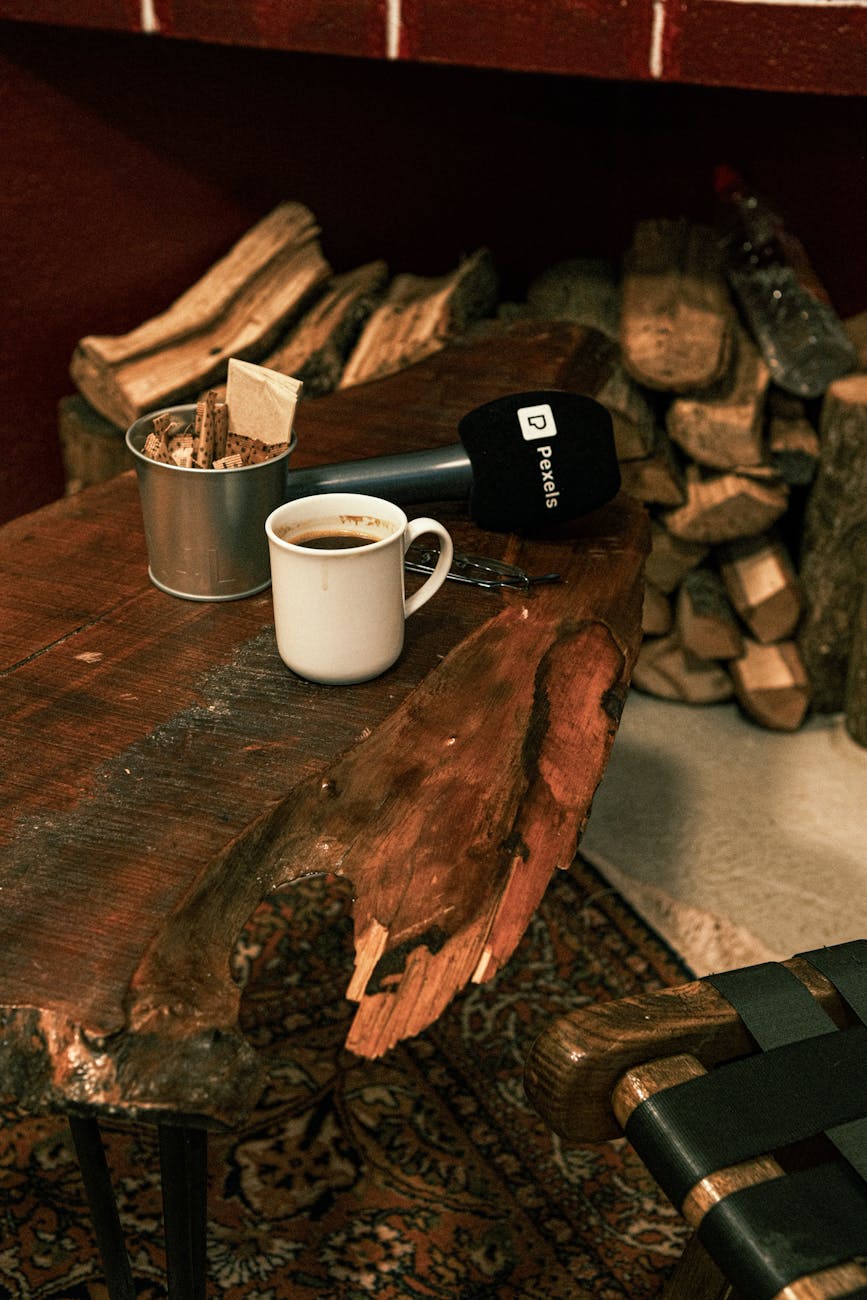
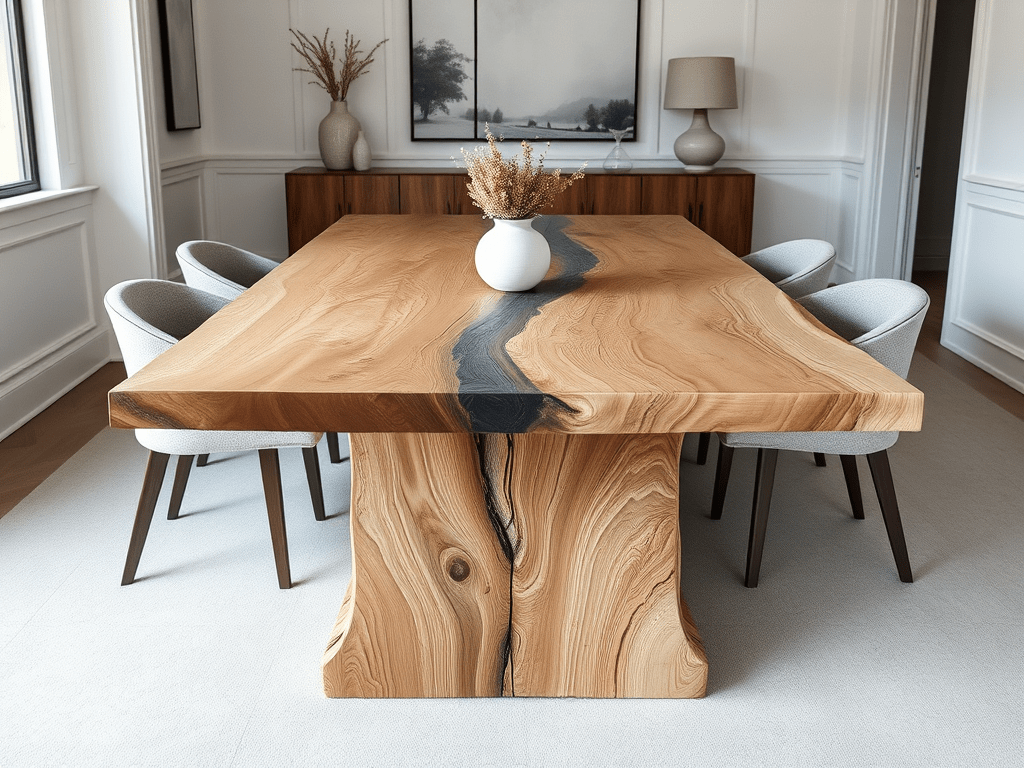
Live-edge furniture pieces are becoming more and more popular, and for good reason: they are gorgeous. These pieces not only showcase the natural beauty of the wood’s grain but also preserve the raw, organic edge that keeps the spirit of the tree alive. This isn’t just furniture that is mass-produced from a big-chain retailer; this is furniture with a story that wants to be told generation after generation.
Cherry
Cherry brings a welcoming warmth to any space, thanks to its soft reddish hue that deepens beautifully with age and exposure to light. With a medium hardness, it’s well-suited for indoor use and responds exceptionally well to sanding and finishing—often resulting in a buttery-smooth surface, especially when using a fine-grit sandpaper like 220 or higher. This pack from Amazon includes 200, 240, and 320. I love using cherry for elegant furniture, sleek shelving, and refined live-edge accents that highlight its natural charm. I also keep on hand a tube of Minwax Wood Putty for any blemishes or marks that need filled.

Walnut
Walnut is a standout choice for live-edge projects, prized for its rich grain variation and the striking contrast between its heartwood and sapwood. Known for its strength and durability, walnut is remarkably stable and resists warping over time. Despite its toughness, it’s surprisingly easy to work with, making it a favorite among woodworkers. Its natural elegance and workability make it ideal for high-end tables, desks, and bold statement pieces.

Maple
Maple’s light, creamy color gives it a clean, modern look that works beautifully in a variety of interiors. Known for its hardness and excellent wear resistance, it’s an ideal choice for larger pieces built to last. While it can be tougher on tools than walnut due to its density, maple finishes beautifully with the right technique. It’s especially well-suited for modern or rustic furniture, as well as durable countertops.

Oak
Oak’s prominent grain and classic, rugged character make it a favorite for rustic and farmhouse-style furniture. It’s incredibly strong—especially white oak, which also offers excellent rot resistance, making it suitable for both indoor and select outdoor applications. Oak takes stain beautifully, though its open grain can produce a more textured finish. I personally prefer using Natura’s Onecoat wood oil to bring out the wood’s natural depth and warmth.
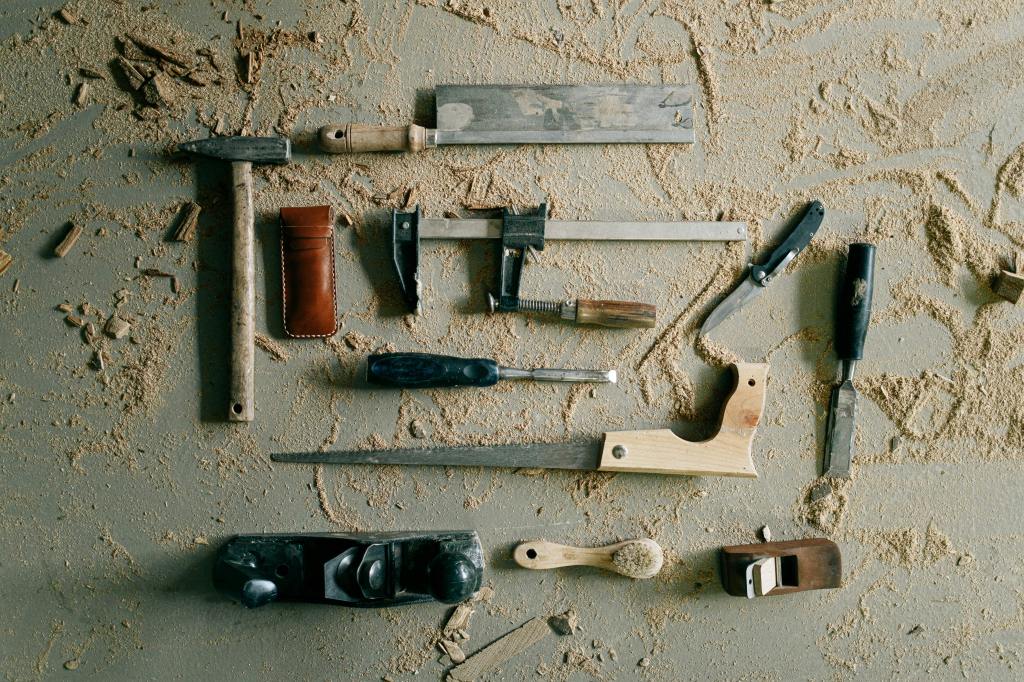
Another tool I highly recommend for working on live-edge pieces is a wheel marking gauge. It’s perfect for laying out parallel lines with maximum precision, ensuring you get clean, accurate cuts every time.

Live-edge woodworking projects offer a unique blend of creativity and craftsmanship that never goes out of style. Whether you’re an experienced artisan or just beginning your woodworking journey, creating with live-edge wood is a rewarding way to craft distinctive, beautiful pieces that leave a lasting impression.



 Begat.
Leave a comment